Frankfort Utility Board Dispels Water Misinformation, Eyes Significant New User South of NHK at I-65
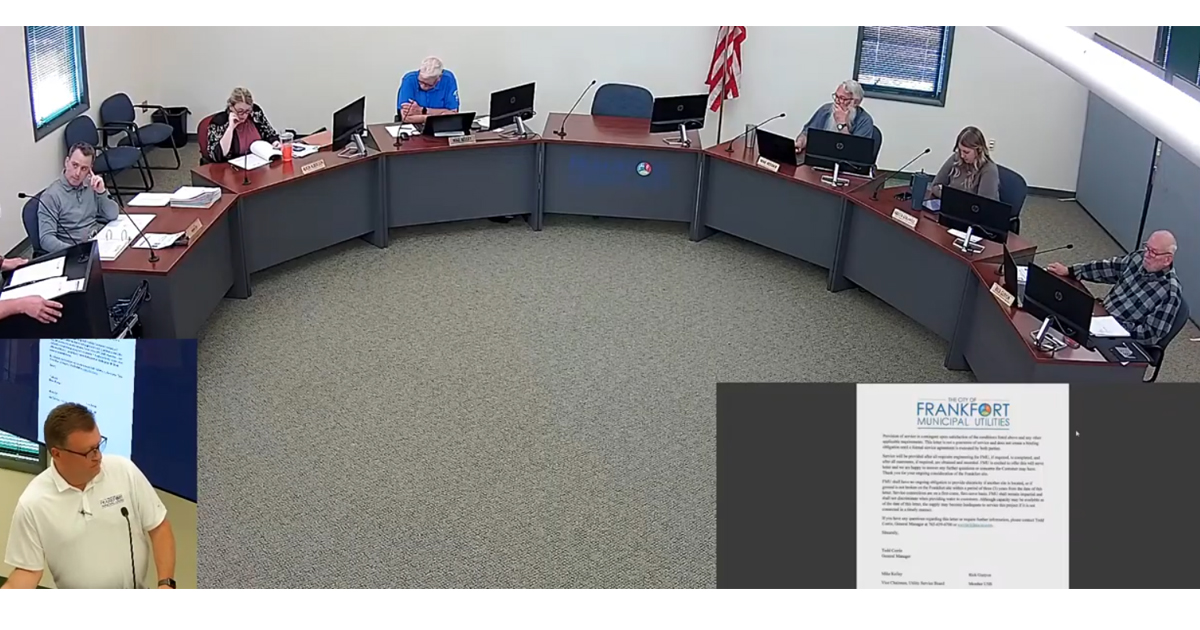
FRANKFORT, Ind. (August 4, 2025) — The Frankfort Utility Service Board is advancing discussions for a new, sizable industrial development slated for an area south of NHK, near I-65 and State Road 28, while also actively working to counter what board members describe as “misrepresented facts” circulating on social media regarding the city’s water capacity and aquifer health.
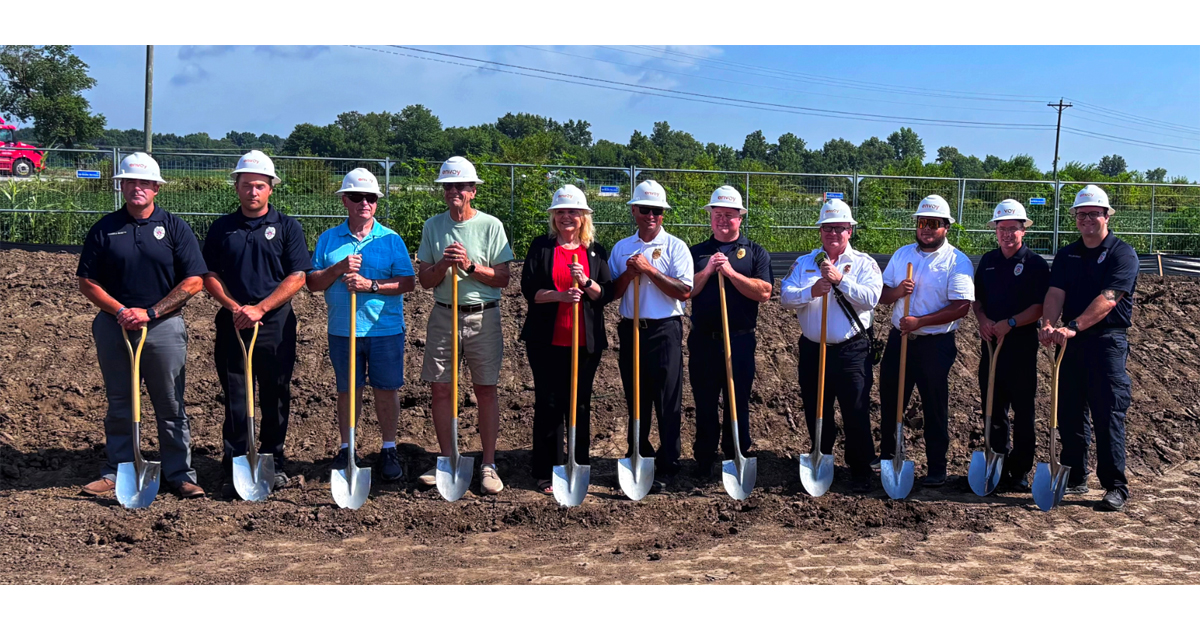
Discussions regarding the new, potential developer have been ongoing for approximately 18 months to two years according to Todd Corrie, general manager of Frankfort Municipal Utilities. Corrie added the project is anticipated to be a “good electric user” and a “good water user,” though it will have “very little wastewater user” requirements. The utility is currently awaiting further information to determine the size of the necessary substation, which the developer will be responsible for installing.
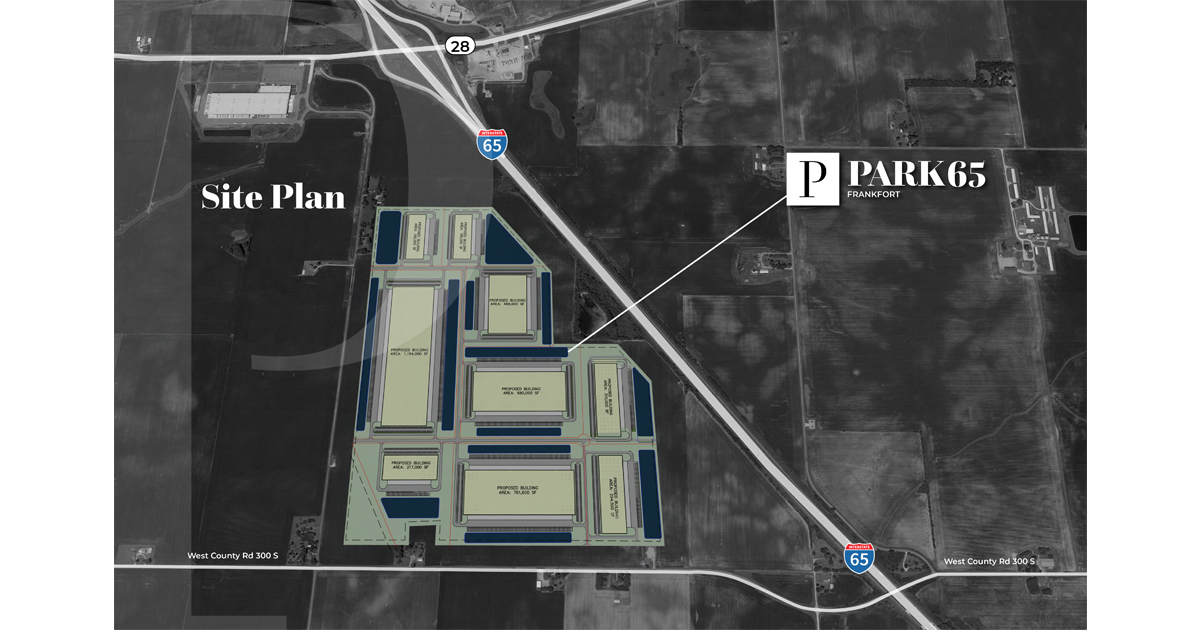
A source familiar with the project confirmed the proposed land is the titled “Park 65” on LoopNet and would be developed for a single user. The LoopNet “property facts” reveal a total of 9 separate buildings in various sizes totaling 4.3 million square feet on 400 acres of land situated between County Road 800 west and I-65 on the west and east respectively with NHK to the north and County Road 300 South to the south. The listing first appeared on LoopNet on January 12, 2024.
The source added the property would be developed for a hydroponics grower of lettuce. The United States Department of Agriculture defines hydroponics as “the technique of growing plants using a water-based nutrient solution rather than soil, and can include an aggregate substrate, or growing media.”
Final determination on the proposed project has yet to be made and would first have to receive approvals from the various county boards.
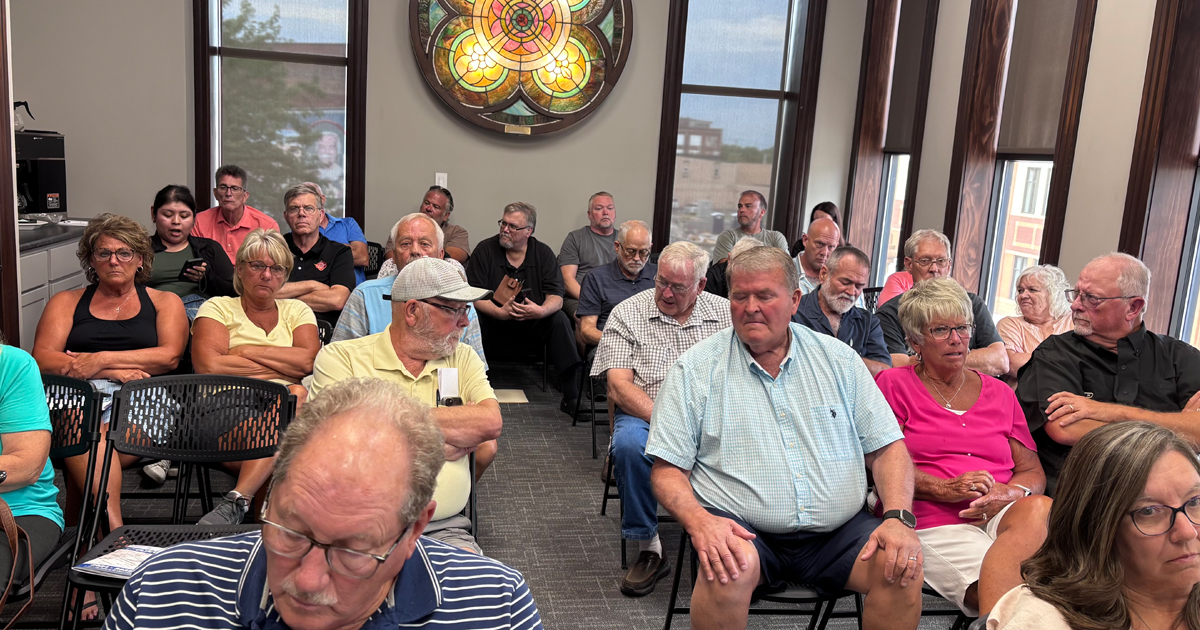
Concerns about water usage and utility capacity, particularly in relation to potential data center developments, have gained traction on social media according to board members. In response, the board has committed to an “engineering-based response based on the facts” rather than an emotional one. They plan to conduct a “due diligence evaluation” by assessing developers’ projected utility needs (water, electric, wastewater treatment) against existing capacities. The ultimate goal is to publish a “case study or update” for the public, detailing Frankfort’s utility situation and the projected usage by new developments.
Corrie shared current water usage data with the board. The water plant’s rated capacity is 9 million gallons per day, with a firm capacity of 7.2 million gallons per day to account for equipment failures. Over the last 18 months, the average pumping rate has been 3.78 million gallons per day, with the highest monthly average recorded in August 2024 at 3.908 million gallons. The three highest single-day pumping rates in the same period were 4.585 million gallons on September 26, 2024, 4.4 million on July 2, 2024, and 4.3 million on July 24, 2024. Corrie added the current usage operates at just over half of the firm capacity. The five largest existing customers collectively average just over 2 million gallons per day.
Regarding the aquifers, an aquifer study conducted last year confirmed that a “significant amount of untouched water available” exists beneath the city. Board members clarified that aquifers are “continually replenished” and do not contain a finite amount of water. The area benefits from two aquifers, one approximately 160 feet deep and another around 300 feet deep. This abundance supports the board’s belief that there is “plenty of water available” for future industrial, commercial, and residential development. The water is also noted for its “very high quality” and is inexpensive, with only Tipton, Indiana, having lower rates. Corrie shared FMU water rates are among the lowest 1-2 percentile statewide for water rates.
The board reiterated that aspects like light pollution, noise pollution, and groundwater contamination fall outside their purview and are governed by county ordinances, the Indiana Department of Environmental Management (IDEM), and the federal EPA. The board intends to provide the promised due diligence evaluation and case study/update in a structured manner, acknowledging that it will take time to compile.