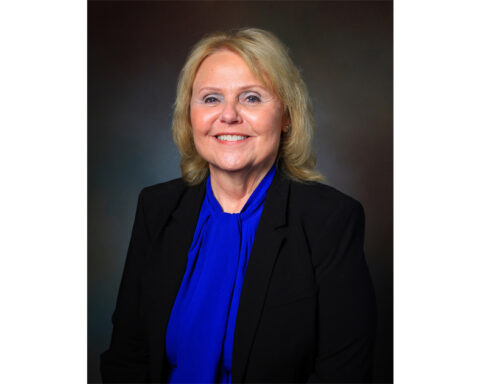
CLINTON COUNTY, Ind. (August 26, 2025) — Clinton County has enacted a moratorium on new battery energy storage system (BESS) developments, commonly known as battery farms, to allow officials time to draft specific zoning ordinances for the emerging technology. The measure is designed to create a regulatory framework for these facilities, not to block their development, according to Liz Stitzel, the Clinton County Area Plan Director.
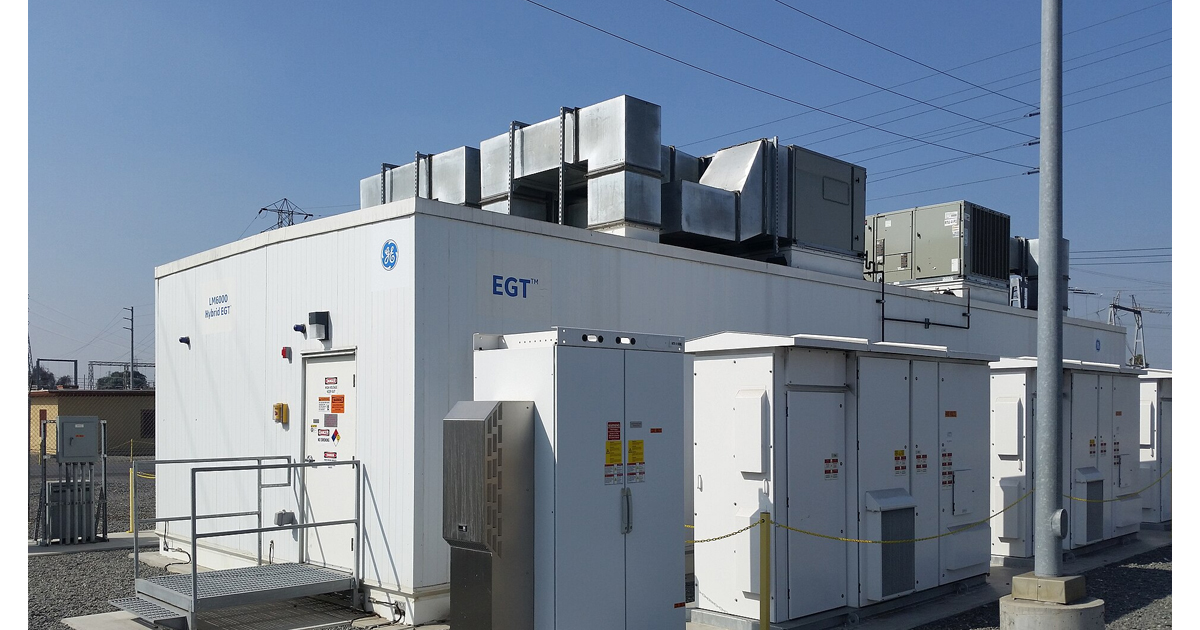
Battery farms are designed to address imbalances in the U.S. electric grid, storing excess electricity when production outstrips demand and discharging it during peak hours or outages. Stitzel explained that this prevents energy waste and can provide crucial backup power, potentially supplying four to six hours of electricity during a substation failure, thereby preventing “life-threatening power loss or inconvenience.” These systems are typically found near large power generation sites (nuclear, coal, solar, wind, water dams) but are also appearing on smaller grid lines.
The moratorium, a tool to “pause development” while ordinances are prepared, is crucial because existing county regulations do not adequately address battery farms. Under state law, a moratorium cannot be a permanent ban and is limited to one year, as a ban would be considered an illegal “taking” according to Stitzel. Without specific rules, new applications would be processed under the “most similar rule,” likely falling under solar or wind ordinances. However, Stitzel noted, battery farms are “really pretty different from both” solar and wind, with distinct characteristics that don’t align with existing setback or design requirements for those technologies.
“It’s not about wanting or not wanting something,” Stitzel said, but about ensuring the county has “a set of rules that allows us to consider something honestly in something that big in a hearing format rather than just issuing a permit and not having any opportunity for public input.” For instance, without the moratorium, a battery farm at an existing solar site might be issued a permit as a permitted use, bypassing public review.
Stitzel clarified a common misconception regarding wind development in the county, stating “there was never a wind moratorium adopted.” Instead, the county’s ordinance requires economic development and road agreements with county commissioners before wind rezoning applications can proceed. The commissioners have “simply refused to negotiate,” effectively halting wind projects without a formal moratorium.
For large-scale projects, Stitzel advocates for a rezoning process, which allows decisions to be made by the legislative body (County Commissioners) who are accountable to voters. Unlike the Plan Commission, which is restricted to land use and comprehensive plan considerations, the legislative body can weigh a much broader range of factors, including financial and fiscal impacts to the community. Stitzel cited the landfill expansion as an example, where commissioners approved the project despite a negative Plan Commission recommendation, considering the broader economic impact and public welfare, including preventing community fiscal issues from a previous operator’s liabilities.
Public participation is a cornerstone of the process. Stitzel emphasized her job is to ensure “a fair hearing and a process where people can get at least the information we have.” For an upcoming September 2nd hearing on a data center, the petition from Logix Reality, LLC is for approximately 150 acres north of ConAgra to be rezoned from A-1, Agricultural to I-1, Light Industrial, Stitzel anticipates a crowd of 80 to 150 people. While the courthouse chambers can accommodate around 100, she affirmed that if an unexpectedly large crowd, potentially hundreds, were to attend, the hearing would be continued to a larger venue to ensure everyone can hear and participate, even if it means rescheduling. Past large hearings, such as the landfill (700 people) and wind projects (500-600 people), necessitated larger venues like the fairgrounds. Solar projects generally draw smaller crowds of 100-200 people.
Stitzel maintains a neutral stance in her role, stating her job is not to approve or disapprove, but to facilitate a fair process and provide recommendations based on data and planning logic, even if it differs from personal opinions.