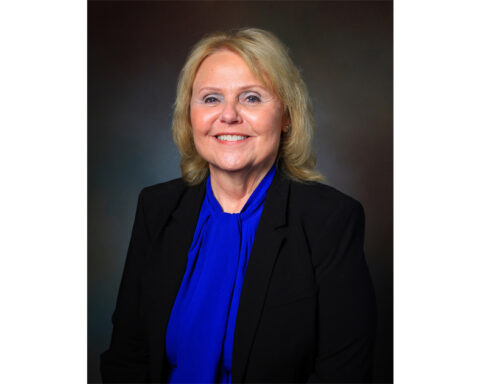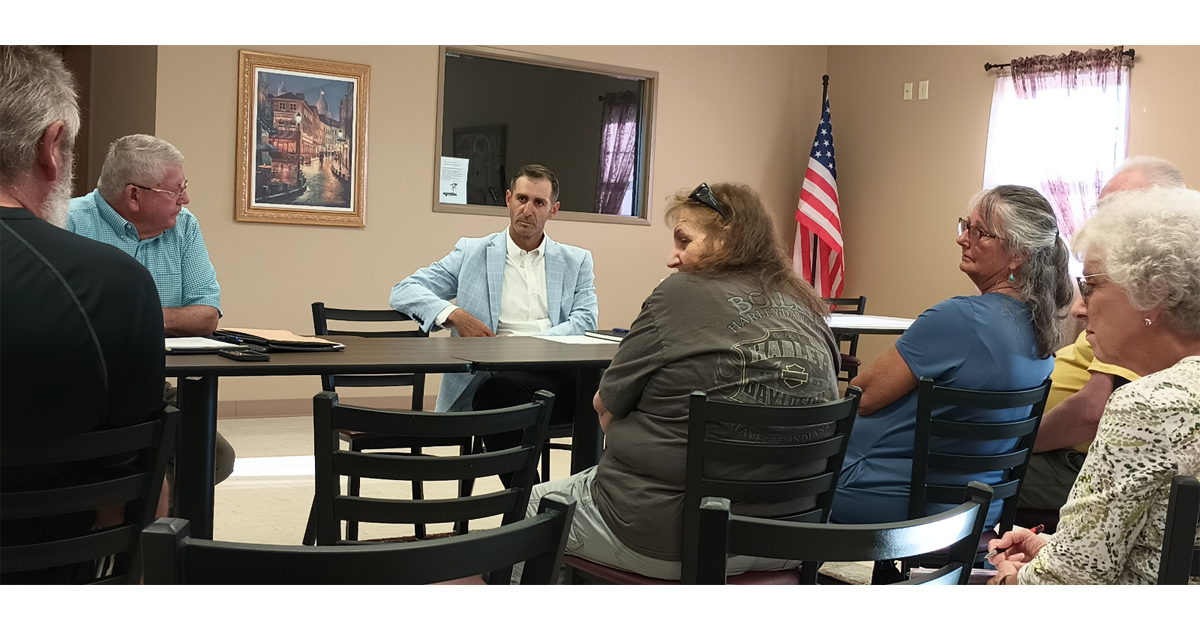
ROSSVILLE, Ind. (August 14, 2025) – Clinton County Commissioner Jordan Brewer addressed a community meeting in Rossville Thursday evening, offering insights into the proposed data center project and engaging residents on broader issues of economic development, water resources, and public participation. The “Convo with a Commish” event, a format designed for open dialogue, saw the commissioner candidly discuss the complexities of balancing growth with community values.
Data Center Development Under Scrutiny
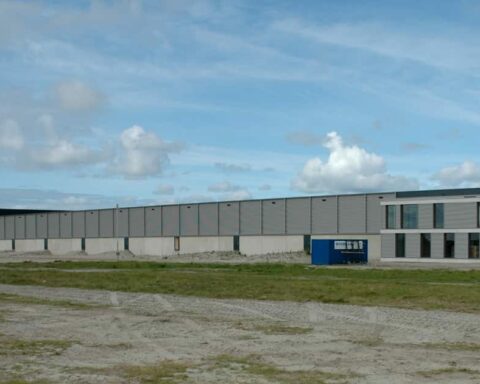
The controversial data center proposal, spearheaded by developer Logix, is seeking to establish a large-scale operation in Clinton County.
• A 115-acre parcel of land in the city of Frankfort, east of Conagra, has already been rezoned for a data center by the city, a move that occurred with little public attendance at initial meetings. This city project, if an end-user is found, is projected to be a $1.4 billion investment over six years, potentially using one million gallons of water per day.
• Brewer stated he believes Frito Lay uses an estimated 1.5 to 1.6 million gallons of water per day when asked. He noted that this figure is not exact, but he believes they are the largest user within the city’s infrastructure.
• Logix has now filed a petition with the Clinton County Area Plan to rezone an additional 150 acres adjacent to the previously rezoned city property. This county proposal is expected to be reviewed at the September 2nd Area Plan meeting.
Commissioner Brewer expressed significant frustration with the developer’s approach, stating they “effed this whole thing up” by moving too quickly without providing adequate information. He noted that typically, such projects involve numerous in-depth meetings before reaching the public. Brewer also reiterated the county’s historical stance against rezoning land without a known end-user, to prevent broad zoning that could allow for undesirable industries. When asked how he would vote today on the county’s proposed rezoning, Brewer stated he would not vote yes due to the lack of an end-user and limited information.
Water Supply: A Growing Concern
A major point of contention from residents was the potential impact on local water supplies, specifically the Tippecanoe River Basin aquifer. Residents highlighted that the nearby LEAP project in Lebanon is slated to pull 100 million gallons of water daily, while Tippecanoe County currently uses 35 million gallons per day.
While Frankfort utilities have conducted an aquifer study, Commissioner Brewer stated he has not seen it, and it is not publicly available. He noted that a prior study, related to the LEAP District exploring Clinton County as a water source, indicated the county could only supply 10 million gallons per day from tested areas. Brewer acknowledged the difficulty of conducting a county-wide water study, estimating it would cost “six figures” and would require access to private land. He questioned who would be accountable if a study proved inaccurate over time.
Economic Development and Community Vision
The discussion broadened to the county’s overall economic development strategy, particularly along the I-65 and State Road 28 corridor, where the county has invested $35 million in utility infrastructure. Commissioner Brewer indicated that the focus shifted to this area due to this significant investment.
However, he also expressed a personal vision for growth centered around the county’s small towns like Rossville, Kirklin, and Mulberry, rather than sprawling development across rural farmland. The recent Senate Bill One, aimed at property tax relief, has changed the “rules of the game” for economic development, shifting the emphasis from assessed property value to population growth (income tax). This new dynamic, Brewer suggested, might make investing in infrastructure for housing more appealing, especially for homes valued at $300,000 to $500,000, which are needed to generate sufficient tax revenue to offset services.
Residents expressed a desire to preserve Clinton County’s rural character, citing it as a primary reason for choosing to live there. One resident stated that “carbon sequestration, data centers, lithium mining, like are all things that they don’t want because it goes against that rural type feel”. Commissioner Brewer challenged attendees to articulate not just what they don’t want, but “what do you want” for the county’s future and its ideal population size.
Public Engagement and Voting
The meeting underscored the importance of public involvement in local governance. A Frankfort city employee highlighted that voter turnout in primary elections is “inexcusable,” ranging from 23% to 27%. She emphasized that voting is the primary means for citizens to influence elected officials and shape community outcomes. Residents were encouraged to actively seek information, attend meetings (which are often available online), and review agendas, as official public notices are often limited to local newspapers.
Other Development Considerations
Other topics touched upon included:
• Solar Farms: The large-scale solar project near Rossville was noted as being “all but dead,” with no recent activity. The commissioner differentiated this project, owned by a New York investment company, from other solar developments (Hardy Hills) where local landowners are involved.
• Battery Storage: Concerns were raised about lithium battery storage, particularly fire risks and the need for specific zoning regulations. The county is working on a moratorium to develop specific zoning for battery storage, as current ordinances lack clear classifications.
• Agricultural Future: Discussion included the challenges of monocropping, the need for diversified agricultural processing, and the changing labor force in farming. Commissioner Brewer also noted the increasing trend of land being used as an investment tool rather than solely for production.